
Counselling is a form of mental health support. When things don’t seem to be going well for us it’s natural for us to seek another person or persons to help us unravel the concerns or difficulties we are experiencing, In principle this is counselling too, but it often comes from a person who has some form of investment in who we are and how we behave, especially towards them. So they aren’t really objective, and mixed in with their advice or support will be their opinions, beliefs and expectations,
Professional counselling is different. A professional counsellor has developed the skill of being impartial and has undergone training in techniques to keep their own feelings about the situation separate from the client. They also try to understand the goals of the client, what they want to achieve for themselves or perhaps what about their life they are not content with. The aim of psychotherapy is not to label a person as broken or defective in some way but to help them understand themselves better and hopefully understand the motivations and actions of others, so they can then make decisions about what they want and what skills they may need to make that happen.
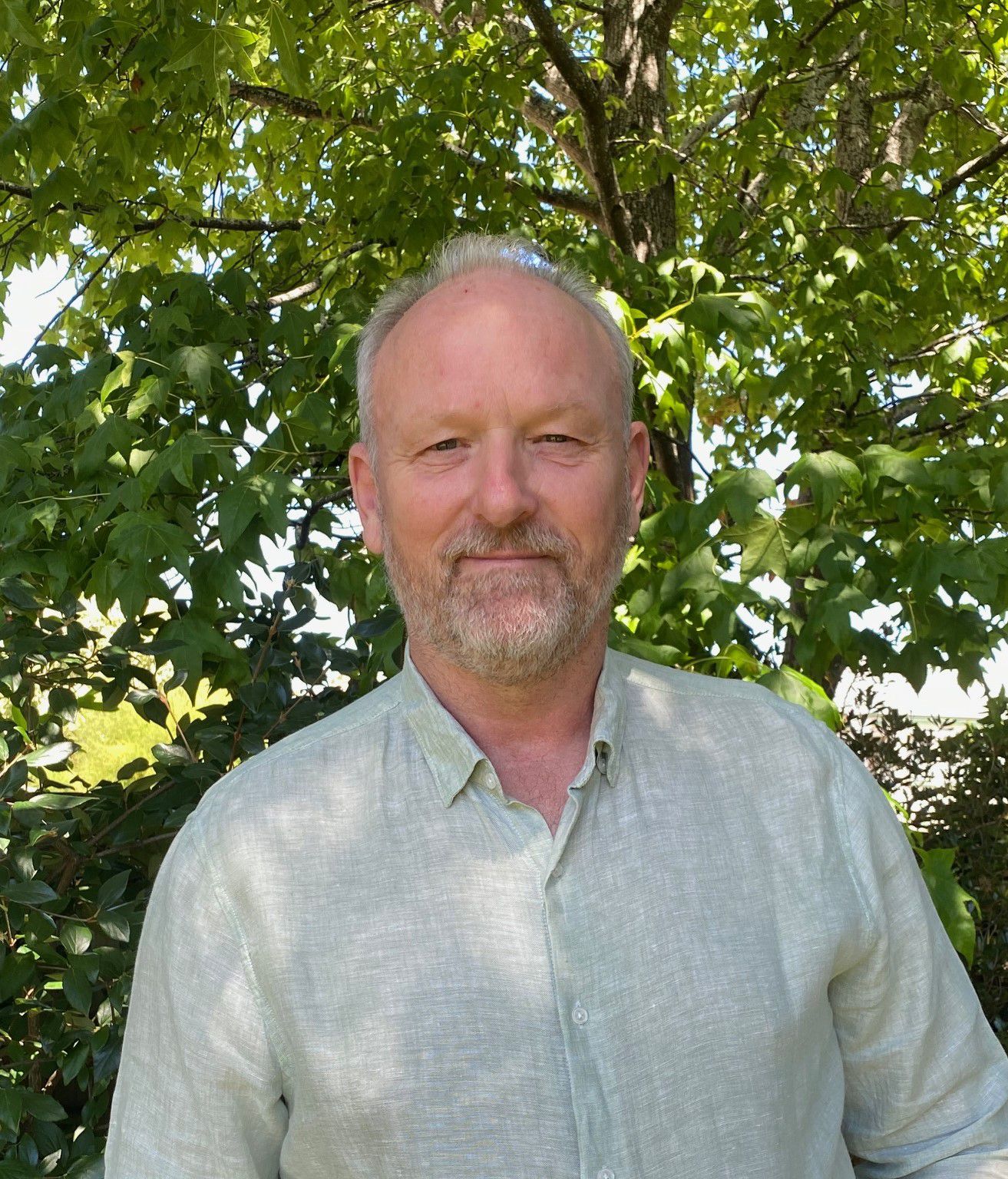
David Jones
I’ve been a counsellor for over ten years but before that I worked in a variety of industries with a multitude of characters and personalities. What I’ve learned is that we often face the same human problems regardless of the pathways we take.
I chose counselling as a career, rather than psychology or social work (though I have studied both of these), because I feel that practical, “real-life” support offers the most promising outcomes in terms of changing our unhealthy behaviours towards ourselves and others.
MACA Level 4 - MASCA
I currently hold a level 4 Membership with the Australian counselling Association (#85352) and I am a member of the Australian Clinical Supervisors Association